Source Led Driver for Commercial, Residential, and Industrial Use
Source 30 led driver options for commercial, residential, and industrial applications. Compare specifications including dimming, voltage, and certifications to find the right constant current solution for your lighting projects; compare the available evidence and request quotations based on your requirements.
Key considerations
Products List
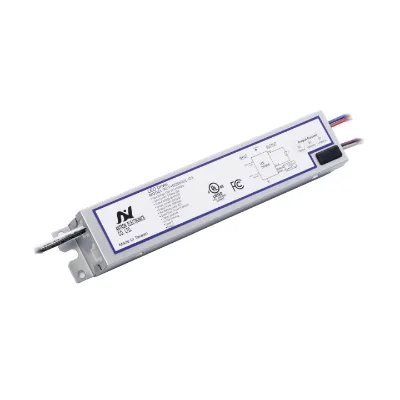


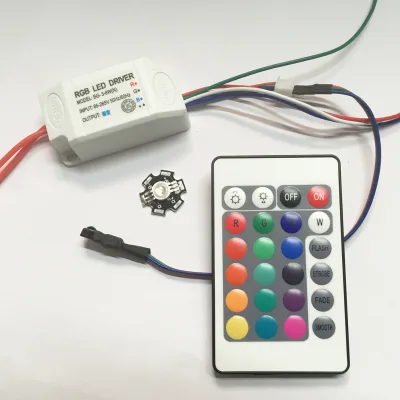
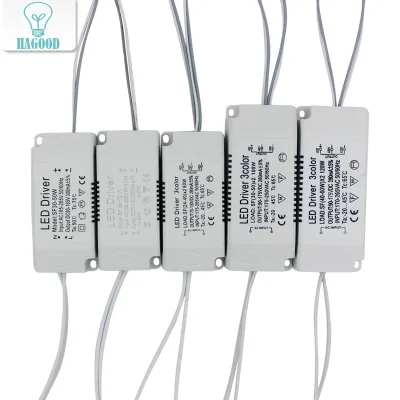


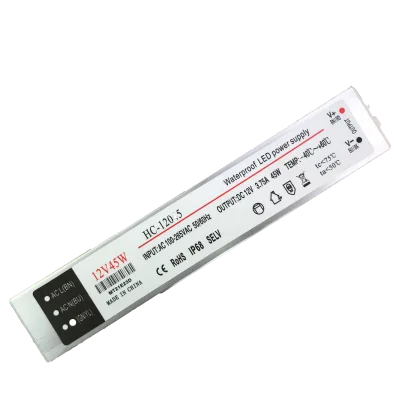


Comprehensive Sourcing Guide
LED Driver Sourcing Guide
Procuring LED drivers requires a disciplined approach to matching electrical output with specific lighting architecture needs. Buyers must first identify whether the application demands constant current regulation for high-power arrays or constant voltage for flexible strips. The observed market data indicates a strong presence of single-output units capable of handling variable wattages, such as 30W, 45W, and 60W configurations, which are essential for scalable commercial installations.
Sourcing decisions should also account for the physical constraints of the installation environment. Many available units feature slim profiles and compact dimensions, such as 26x6x4 cm packaging, which facilitate integration into tight fixtures like mirror lights or recessed ceiling panels. Verifying the input voltage range, typically spanning 120V to 277VAC, ensures compatibility with regional grid standards before finalizing any purchase order.
Product Scope and Observed Listing Signals
The current market inventory reveals a diverse range of LED drivers designed for both standard and customized lighting solutions. Listings frequently highlight adjustable dimming capabilities, including PWM, 1-10V, and Rx protocols, allowing for sophisticated control systems in modern architectural lighting. These features are critical for buyers seeking to implement energy-efficient strategies or dynamic ambiance control in commercial and residential spaces.
Buyers should also scrutinize the physical form factor and output characteristics listed in product specifications. Observed data points to a prevalence of Class 2 and Class P drivers, which offer inherent safety benefits for low-voltage applications. The availability of models with specific output currents, such as 1400mA, 1050mA, and 700mA, suggests that suppliers cater to a wide spectrum of LED load requirements, necessitating careful selection based on the specific diode string configuration.
Technical Specifications to Verify
Electrical compatibility is the primary technical hurdle when selecting an LED driver for any project. Buyers must verify that the input voltage range, often cited as 110V to 277VAC, aligns precisely with the local power supply infrastructure to prevent operational failures. Additionally, confirming the output voltage range, which may span from 26V to 43V, ensures the driver can effectively power the intended LED array without under-driving or over-stressing the components.
Thermal management and protection mechanisms are equally vital for long-term reliability in demanding environments. Specifications often include short circuit, over-voltage, and over-temperature protections, which safeguard the driver and the connected lighting fixtures from electrical anomalies. It is essential to confirm the specific protection thresholds and the driving method, such as PWM-controlled constant current, to ensure the system operates within safe thermal limits during continuous use.
Compliance and Safety Documentation
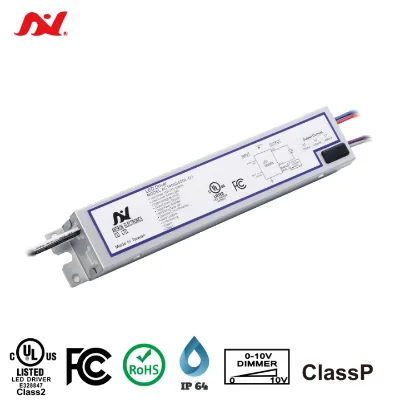
Regulatory compliance is non-negotiable for LED drivers intended for commercial or residential deployment in regulated markets. Buyers must demand evidence of recognized certifications, such as UL, cUL, CE, and TUV, which validate that the product meets rigorous safety and electromagnetic compatibility standards. The presence of Class 2 and Class P designations further indicates that the driver adheres to specific isolation and safety requirements for low-voltage applications.
Beyond basic safety, environmental and regional standards play a crucial role in procurement decisions. Documentation should confirm adherence to RoHS directives and specific regional standards like Title 24, which governs energy efficiency in certain jurisdictions. Verifying that the product carries certifications like CCC or GS ensures that the driver is suitable for the target market, reducing the risk of customs delays or legal liabilities associated with non-compliant electrical equipment.
Cost Drivers and Commercial Terms
Pricing for LED drivers is influenced by a complex interplay of output power, dimming capabilities, and certification levels. The observed price range of $0.45 to $97 reflects the significant variance between basic constant current units and advanced, customized solutions with multiple dimming protocols. Buyers should anticipate that higher wattage outputs and specialized features, such as adjustable current settings, will command a premium over standard, off-the-shelf models.
Minimum Order Quantities (MOQ) and packaging configurations also significantly impact the total cost of ownership. Listings indicate MOQs ranging from single units to 500 pieces, allowing flexibility for both prototype development and large-scale deployment. Understanding the packaging details, such as the number of pieces per carton and the availability of individual packing, is essential for logistics planning and inventory management, as these factors directly affect shipping costs and storage requirements.
Supplier Qualification and Quality Control
Supplier reliability is paramount when sourcing critical electrical components that require long-term performance stability. Buyers should prioritize manufacturers that offer comprehensive lighting and circuitry design services, as this indicates a deeper technical capability to support custom projects and troubleshoot complex integration issues. The presence of a dedicated product series, such as "LED Driver in Stock," suggests a commitment to maintaining inventory levels for immediate fulfillment.
Quality assurance processes must be rigorously evaluated to ensure consistent product performance across batches. Suppliers should demonstrate a clear track record of providing a 5-year warranty, which serves as a strong indicator of confidence in product durability and manufacturing quality. Additionally, verifying the supplier's origin, such as facilities in Taiwan or Ningbo, China, can provide context regarding their manufacturing capabilities and adherence to international production standards.
Long-Term Procurement Checks
Sustaining a successful supply chain requires ongoing verification of product consistency and supplier responsiveness over time. Buyers should establish protocols for periodic re-verification of certifications and technical specifications, as regulatory standards and component availability can evolve. Maintaining open communication channels with the supplier ensures that any changes in product design or manufacturing processes are communicated promptly, preventing unexpected disruptions in the supply line.
Finally, the long-term viability of the procurement strategy depends on the supplier's ability to support the product lifecycle. This includes ensuring the availability of spare parts, technical documentation, and continued access to dimming and control features. A robust partnership with a supplier who offers customization and has a history of reliable delivery will mitigate risks associated with obsolescence and ensure that the lighting infrastructure remains operational and compliant for years to come.
FAQs
What certifications do these led drivers have?
These led drivers hold UL, cUL, CCC, CE, TUV, and RoHS certifications. They also meet Class 2 and Class P safety standards. This ensures compliance with international electrical safety requirements for commercial and residential lighting installations.
Can the output power be adjusted on this model?
Yes, the output power is adjustable between 60W, 45W, and 30W. This flexibility allows users to match the driver to specific LED load requirements. It supports constant current output with selectable current levels of 1400mA, 1050mA, or 700mA.
What dimming methods are supported by this driver?
The driver supports 3-in-1 dimming including PWM, 1-10V, and Rx protocols. This versatile dimming capability ensures compatibility with various control systems. It allows for precise light intensity adjustment in diverse lighting applications and environments.
What is the warranty period for this led driver?
The warranty period is 5 years. This coverage protects against manufacturing defects and ensures long-term reliability. It provides peace of mind for buyers investing in durable lighting infrastructure with consistent performance over time.
How is the packaging handled for bulk orders?
Packaging contains 5 to 100 pieces per carton depending on the model. Individual packing is optional for specific requirements. The product uses air transport packaging to ensure safe delivery and protection during international shipping logistics.
What input voltage range does this driver accept?
The driver accepts an input voltage range of 120-277Vac. It also supports AC 110V, AC 165-265V, and AC 220V with tolerance. This wide range ensures stable operation across different global power standards and electrical grids.